- The Weekly Shift
- Posts
- Sorry NOT Sorry - Escaping the Apology Trap 😶
Sorry NOT Sorry - Escaping the Apology Trap 😶
The ick of over apologizing on others and our identity (Ep. 7)

Tameem Rahal
12 Mar

THE CULPRIT…
Sorry Soundtrack on Repeat 🔁
Scene: You’re at a crowded cafe living your best life, and someone accidentally bumps into you… |  …wait you’re not a human |
The Cost of Constant Apologies
Over-apologizing has become a reflex for many of us (or part of your DNA if you’re Canadian). Although seemingly harmless these apologies, often unnecessary and automatic, chip away at your self-assurance. They signal to others that you lack confidence or authority, which can impact how you’re perceived in professional and personal settings. Over time, it can erode your sense of self-worth, leaving you feeling smaller and less empowered.
THE SHIFT…
Say Sorry Less 😶
It’s time to reclaim your space and assert yourself with confidence. Start by becoming aware of your apology habits and challenging yourself to pause before saying sorry. Shifting from automatic apologies to intentional communication empowers you to assert yourself with clarity and purpose….and if you change your tune, remember it’s never too late to say sorry 😉 | 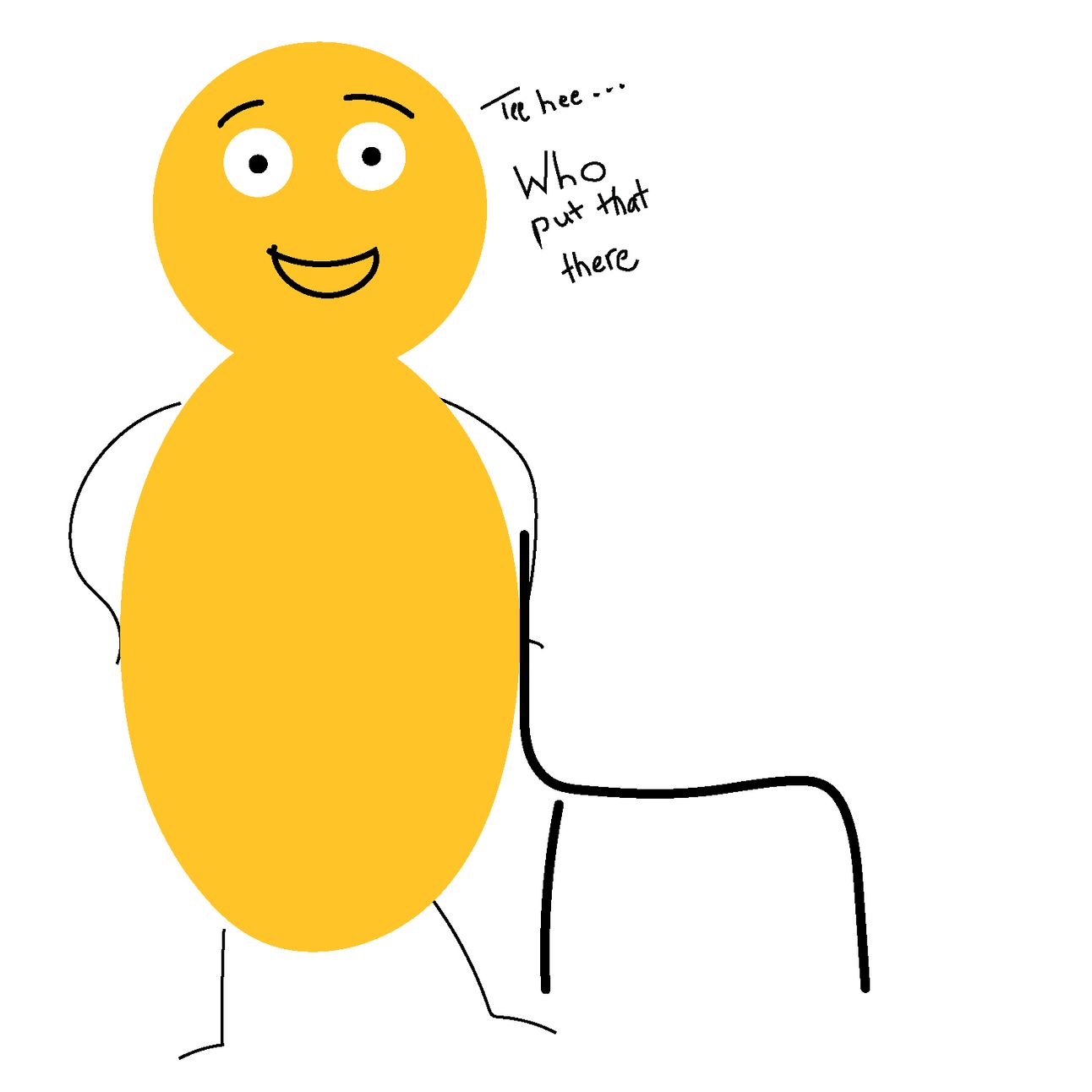 *woopsies |
The Science Behind Silence
Research shows that silence can be a powerful communication tool, conveying confidence, authority, and self-assurance. By choosing to remain silent rather than dropping the stream of sorry soundtrack to everyone you meet, not only do you assert your presence and command respect but you also gain trust that when you do apologize, it’s meaningful.
THE TOOLS…
See What Sticks
1 // Sorry Count
Wear an elastic band around your wrist and flick it every time you say sorry throughout the day. Keep track of how often you say it (spoiler alert - you will flick the band more than you think). Eventually this practice helps get you aware, but also mindful of your responses as you try to avoid the teeny weeny ouch of the elastic band.
2 // Rephrase
Try out some new filler phrases to replace the automatic “sorry” response. Things like “thanks for your patience” vs. “I’m sorry it’s taking so long”. Or “I ordered a steak. Thanks for your understanding” vs. “Sorry, I didn’t order the fish.”
3 // From Guilt to Gratitude
Shifting to a style that’s from gratitude versus guilt can help reframe your self concept. So instead of saying “sorry I’m late to dinner my car broke down”, say “thank you for waiting for me with dinner. I really appreciate it.” - how cute!
.
.
.
More to Explore:
👉🏼 A chuckle: Thought You Were a Person…
👉🏻 A read: Stop Overapologizing
👉🏿 A book: Sorry, Sorry, Sorry
THE CHALLENGE…
Own Your Silence 👄
For the next week, challenge yourself to pause before apologizing unnecessarily. Notice when the urge to apologize arises and consider remaining silent instead. Each time you refrain from over-apologizing, celebrate your progress and recognize the power of owning your space.
Happy Shifting!
- Tameem

This Episode was brought to you by TRYBE - a private, paid community for accountability, guidance and connection our own journey of growth.
January we’re tackling a 30 day Reflection Writing Challenge.
February we’re taking on a 28 day Meditation Challenge.
Join us for the ride!
Reply